

When building a structure—whether a residential home, commercial building, or public project you will have to follow a structured construction process in Kenya that is governed by national and county regulations.
This ensures compliance with safety standards, environmental laws, and building codes outlined in the Physical and Land Use Planning Act, Building Code (under the Kenya Bureau of Standards), and county-specific bylaws.
The process typically takes 6–18 months for a standard house, depending on size, location, and complexity. With costs ranging from KSh 2–5 million for a basic 3-bedroom bungalow home as of 2025.
The journey involves multiple professionals: architects (registered with the Architectural Association of Kenya), quantity surveyors (Institute of Quantity Surveyors of Kenya), engineers (Engineers Board of Kenya), and contractors (National Construction Authority-registered). Below is a detailed, step-by-step construction process in Kenya guide based on standard practices.
Step by Step Construction Process in Kenya
-
Pre-Planning and Land Acquisition

Key Activities: Here you have to assess your needs such as the house size and type you want plus your budget. It’s crucial to evaluate finances realistically, including income, loans, and ongoing expenses—aim for a conservative estimate to avoid overextension. Then proceed to secure financing if needed.
Land Selection: Choose a plot based on location, size (e.g., 1/8 acre for a maisonette), terrain, soil type, and proximity to amenities (roads, water, electricity). Conduct a search at the Lands Registry to verify ownership and avoid disputes. Here you have to be very careful as fraudulent titles are common. Therefore, it does help to get a professional valuation and soil test for stability.
Legal Checks: Obtain a title deed, change of user (if agricultural land), and environmental clearance if applicable.
Tip: Engage a lawyer early to handle transfers and avoid pitfalls like encroachments.
-
Feasibility Study and Design Phase
Key Activities: Hire a registered architect to create preliminary sketches, floor plans, elevations, and 3D models. Collaborate on layout, materials (e.g., precast vs. stone), and sustainability features like solar panels. Involve a quantity surveyor for cost estimates and a structural engineer for load-bearing calculations.
Feasibility: Conduct a study on viability, including market analysis, budget breakdown, and risk assessment (e.g., flood-prone areas).
Interior Planning: Optionally, consult an interior designer for finishes, furniture, and color schemes to align with your vision.
Tip: Use affordable materials like precast wall panels to cut costs by up to 20% while meeting standards.
-
Obtaining Approvals and Permits
Key Activities: This construction process in Kenya requires you to submit plans to the county’s Physical Planning Department for review. Required approvals include: Architectural and structural plans which are mandatory.
Environmental Impact Assessment (EIA) for projects over 500 sqm or in sensitive areas (via NEMA).
Drainage and sanitation plans.
Fire safety clearance (for multi-story buildings).
Process: Plans are vetted for compliance with zoning, setbacks (e.g., 3M from boundaries), and building height limits. Here you might need to do some revisions.
Remember that most counties have online portals for faster processing; delays often stem from incomplete documents.
Tip: Leverage our expertise at Fortis to get your approvals expedited faster.
-
Tendering and Hiring Professionals
Key Activities: Prepare a Bill of Quantities (BOQ) via the quantity surveyor for accurate pricing. Tender for contractors—get 3–5 quotes from NCA-registered firms. Verify licenses, insurance (public liability and workers’ cover), and past references.
Team Assembly: Sign contracts with a general contractor who subcontracts specialists.
Tip: Use fixed-price contracts to control costs; include clauses for penalties on delays.
-
Construction Process in Kenya: Site Preparation
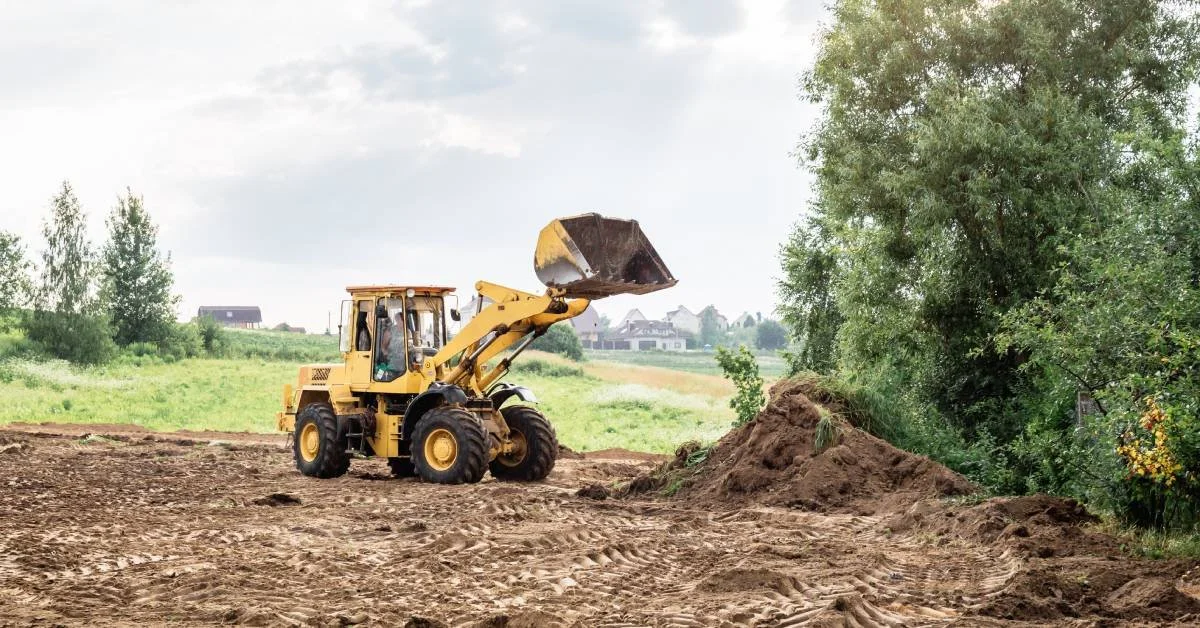
Key Activities: Clear vegetation, rocks, and debris. Level the land, excavate for foundations, and install temporary fencing/utilities. Compact soil and lay a building pad (firm topsoil layer) to prevent settling.
Utilities Setup: Connect to mains water/electricity (via KPLC/Kenya Water) or drill a borehole or have a water tank in place.
Tip: Avoid rushing—poor preparation causes 30% of structural failures in Kenya.
-
Foundation Construction
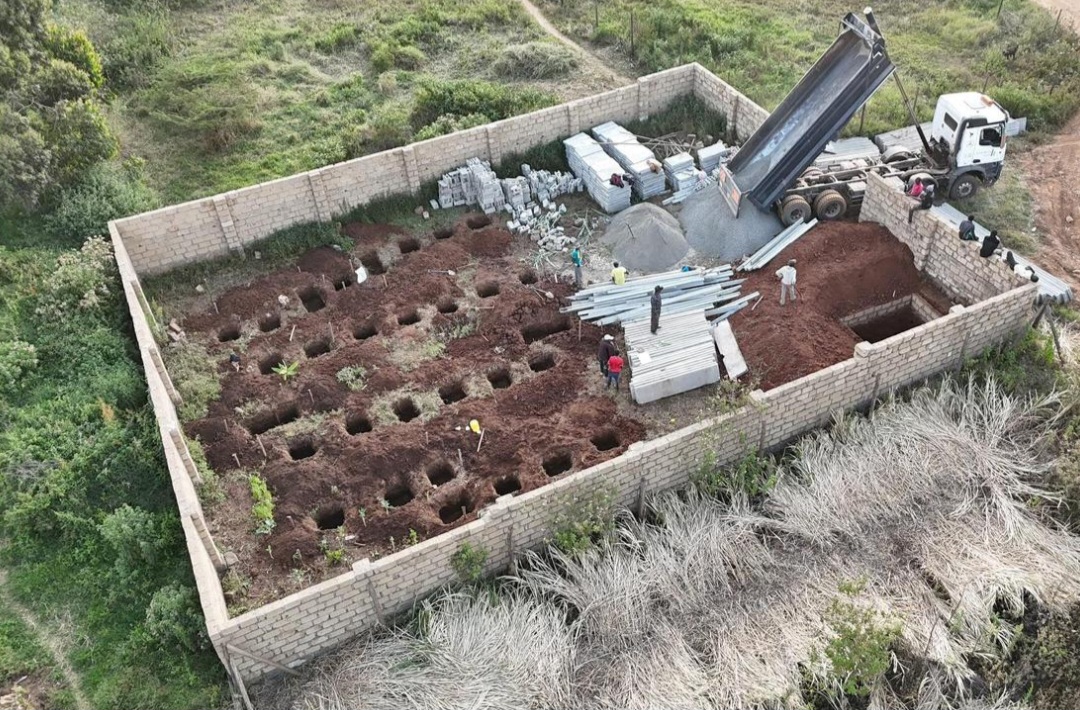
Key Activities: Dig trenches per structural drawings, pour concrete footings/reinforcement (e.g., Y8 bars), and backfill. Include damp-proof membranes to prevent moisture rise. For multi-story, use raft or strip foundations based on soil.
Alternatively, you can suspend a foundation using a precast slab which is faster and cheaper (saves up to 40%) than doing it the traditional way.
Inspections: County officials check at this stage.
Tip: Use murram for backfilling in expansive soils common in Rift Valley areas or suspend a foundation using precast.
-
Construction Process in Kenya: Superstructure (Walls and Roof)
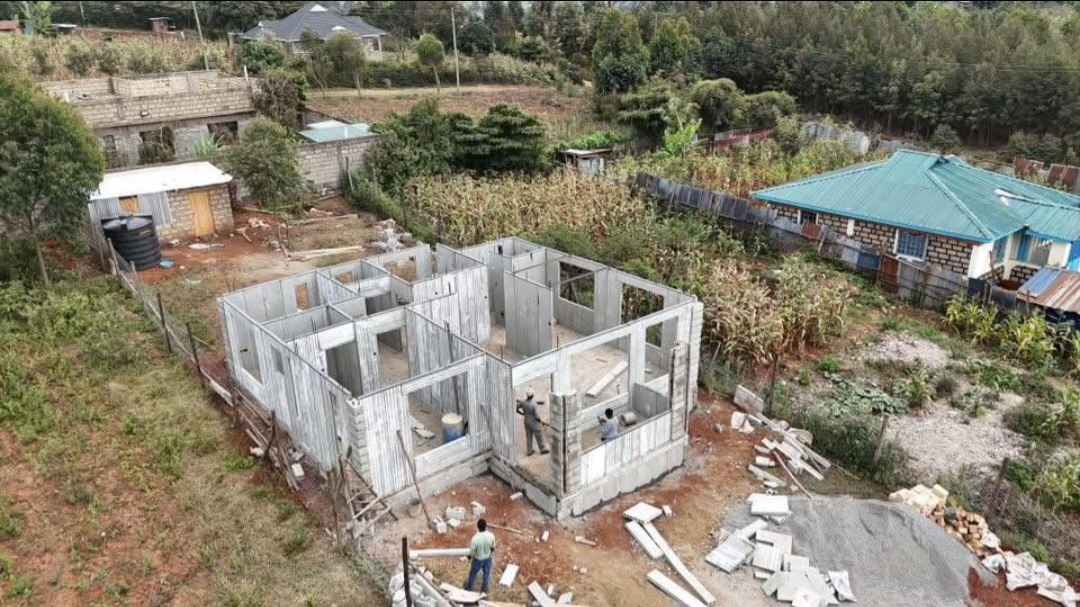
Key Activities: Erect walls using precast wall panels to save around 20% on your walling, install lintels/beams, and build the roof frame (timber or steel trusses). Then proceed to add windows and doors plus waterproofing the roof with membranes.
Tip: opt for energy-efficient roofing like iron sheets with insulation to comply with green building trends.
-
Mechanical, Electrical, and Plumbing (MEP) Installations
Key Activities: Run wiring (to Kenya Power standards), plumbing (pipes, septic if off-grid), and HVAC. Install solar if budgeted. Test for leaks/short circuits.
Inspections: Mandatory for safety certification.
Tip: Hire certified engineers to avoid fire hazards—common in informal builds.
-
Construction Process in Kenya: Finishing Works
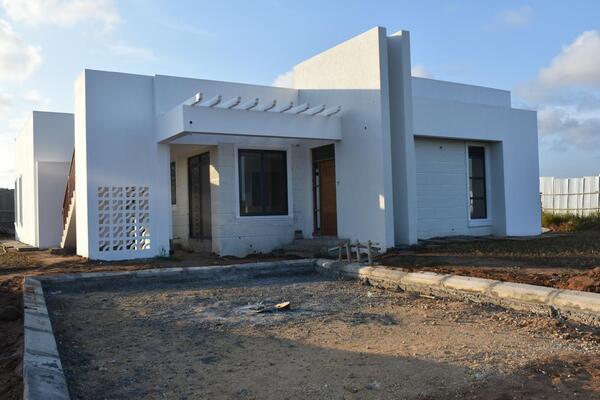
Key Activities: Plaster walls, apply paint, lay floors (tiles/ceramics), fit fixtures (kitchens, bathrooms), and complete exteriors (driveways, landscaping). Add security features like grills.
Tip: By opting for wall panels, you will save on having to plaster your walls as these components come already pre plastered.
-
Final Inspection, Handover, and Occupancy
Key Activities: Conduct a punch list walkthrough to fix defects. County inspectors verify compliance and issue a Certificate of Occupation (CO). Clean site and hand over keys.
Post-Occupancy: Register for property rates and insurance.
All in all, remember delays often arise from approvals due to bureaucratic inefficiencies, regulatory complexity and systematic challenges. This can delay your project by months, increase your costs and cause frustrations. At Fortis we help streamline this process for you by having your plans stamped by the necessary parties before submitting to the necessary authorities and following up weekly. In case, there are delays we escalate the issue with the necessary authority thus helping you navigate the whole process more efficiently.