

The coming of precast technology is revolutionizing the construction industry here in Kenya and around the globe. It’s one of the leading technologies that are modernizing the building process thanks to the many perks it has to offer, such as cost savings, speed, less material wastage, environmental sustainability, and boosting overall efficiency.
As such, the technology has attracted a lot of buzz, especially here in Kenya, with many homeowners keen on integrating the technology into their projects lest they miss out on its many benefits.
Let us explore the three key areas where precast can help you, a project owner, save significantly compared to using the traditional Ndarugo brick-and-mortar mode of construction.
-
Precast Saves on Your Foundation and Upper Slabs
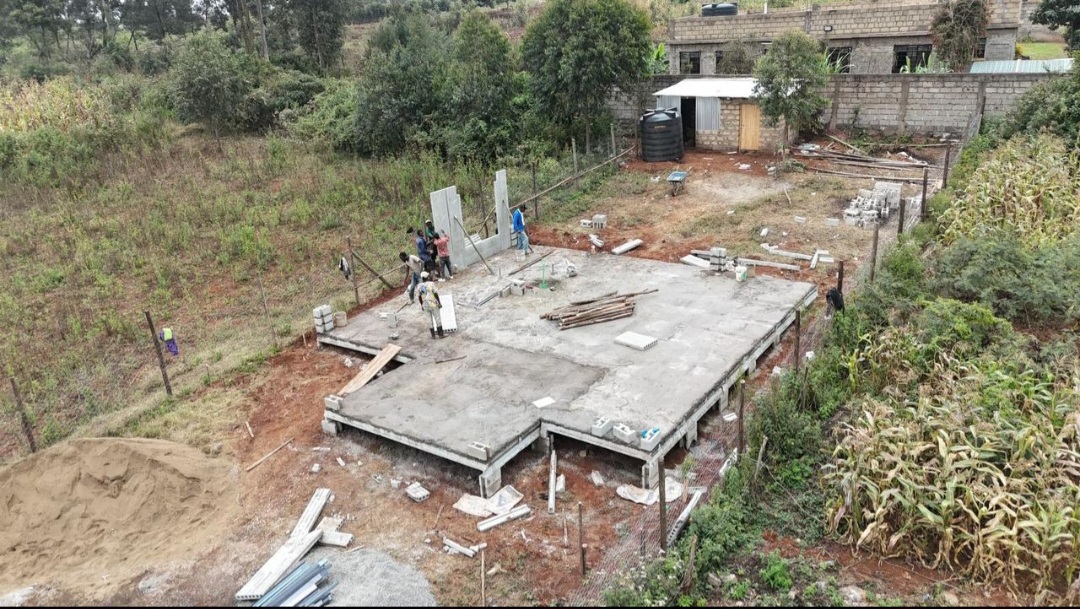
When you choose precast, your cost savings will begin at the start of the project, which is the foundation level. Especially if you are constructing your house in an area that has cotton soil and requires excessive excavation and backfilling. This is because precast allows you to suspend your foundation using either columns dug at specific locations on the construction space or by building a foundation wall.
The next step will involve laying out beams and panels on top of the foundation wall or beam and blocks. Then a slight screed of 50 mm is done to complete the slab. This piece here details the kind of savings you stand to gain by utilizing a precast foundation. The same goes for the upper slab, which is laid out on top of a ring beam.
-
Precast Saves on Your Walling
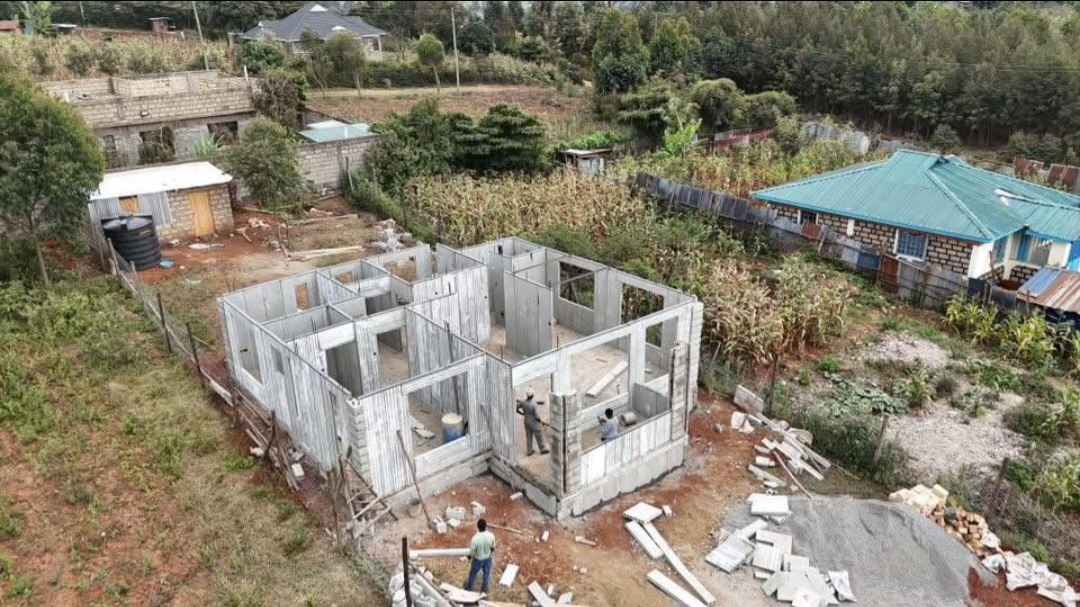
Your next savings will come when you are putting up your wall. The precast wall panels come preplastered from the factory, and this saves you a ton of money from having to plaster your house. The only plastering done is a slight strip at the joints where the precast panels lock in with each other.
Additionally, unlike the Ndarugo brick-and-mortar mode of construction, where rough estimates have to be made on the amount of sand, ballast, cement, bricks, and other materials required to wall your house, precast calculations are quite accurate. This saves you from having to incur losses due to waste.
See this piece to understand how to calculate the number of precast wall panels you need for your project.
-
Saves You on Labor Costs
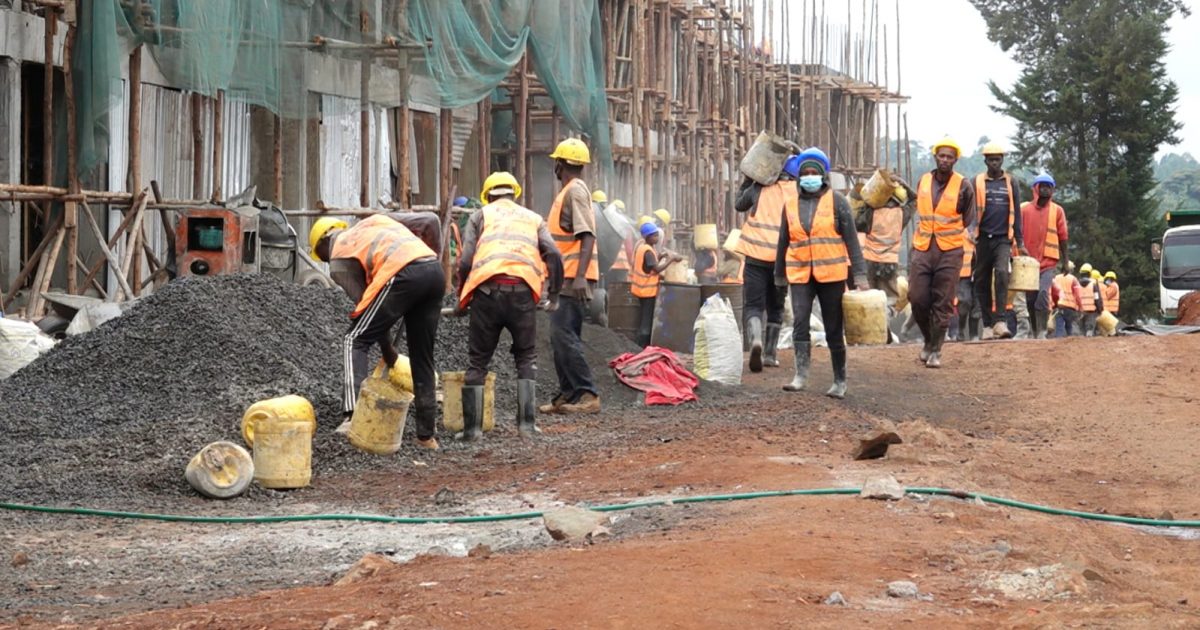
The final area where precast cuts costs for you is on labor. Time is money, and the longer the period construction workers spend on your project, the more it will cost you. Precast saves you significantly on labor costs, as assembly of the already premanufactured parts occurs super fast.
Let’s assume you are building a 150 SQM bungalow with a flat roof. Using the traditional way, it will take you at least a week to complete the foundation. Then another week to wall Ndarugo stones, as fundis can’t build more than 150 ft in a day. Add another week to plaster the wall and another 2 or 3 weeks to cure.
The upper slab will also take about a week to get done.
Compare that to precast, which will take you 2 days to do the foundation and another 2 days to assemble the wall. And since the wall panels come pre-plastered, you don’t need any plastering here. Additionally, the upper slab will take 1 or 2 days to get done.
While the traditional way will take you around six weeks to build a foundation, wall the house, plaster, and build the upper slab, precast will allow you to complete these aspects of your building in less than 10 days. Your labor cost savings will be realized by the less time workers will spend on your project.
Incredibly these savings apply to the construction of a perimeter wall, which happens super fast. See this piece here on the cost and time taken to get your fence done.
You can learn more about how to use precast technology for your construction project by clicking here.