
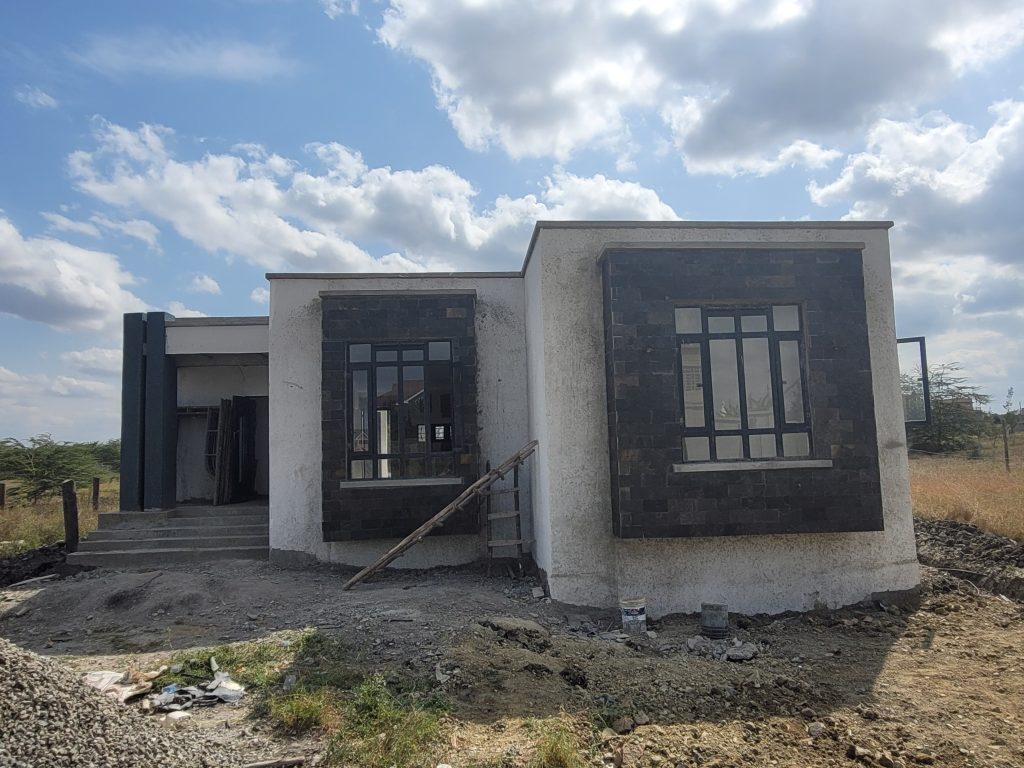
The term “pre” stands for “before,” so precast technology is a construction method where concrete is poured into reusable molds or casts before they are transported and installed at the construction site. The casting happens in a factory setting. Then, treatment and curing of the molds take place before the molds are transported to the construction site for assembly.
The earliest traces of precast technology can be found in the Roman kingdom, where Romans used to mix sand, water, crushed limestone, and other soft rocks to create concrete. The concrete was cast into uniform molds that were used to build culverts, aqueducts, and tunnels. Interestingly, ancient temples like the Pantheon are a testament to the durability of precast molds.
Different Steps Involved with Precast Technology
The first is design and engineering, where architects and engineers work together to establish clear specifications for precast components, thus ensuring they meet structural and aesthetic requirements.
The second involves proper material selection to guarantee the quality and durability of the precast molds. Here engineers will determine the right concrete mix and reinforcement to be used, guaranteeing the strength and durability of molds.
The third step involves casting the molds and curing. The casting process is undertaken using specialized machines such as extruders and other molds. This allows for the creation of various shapes and sizes. Once casting is done, it’s time to cure in a controlled environment, allowing the casts to gain strength.
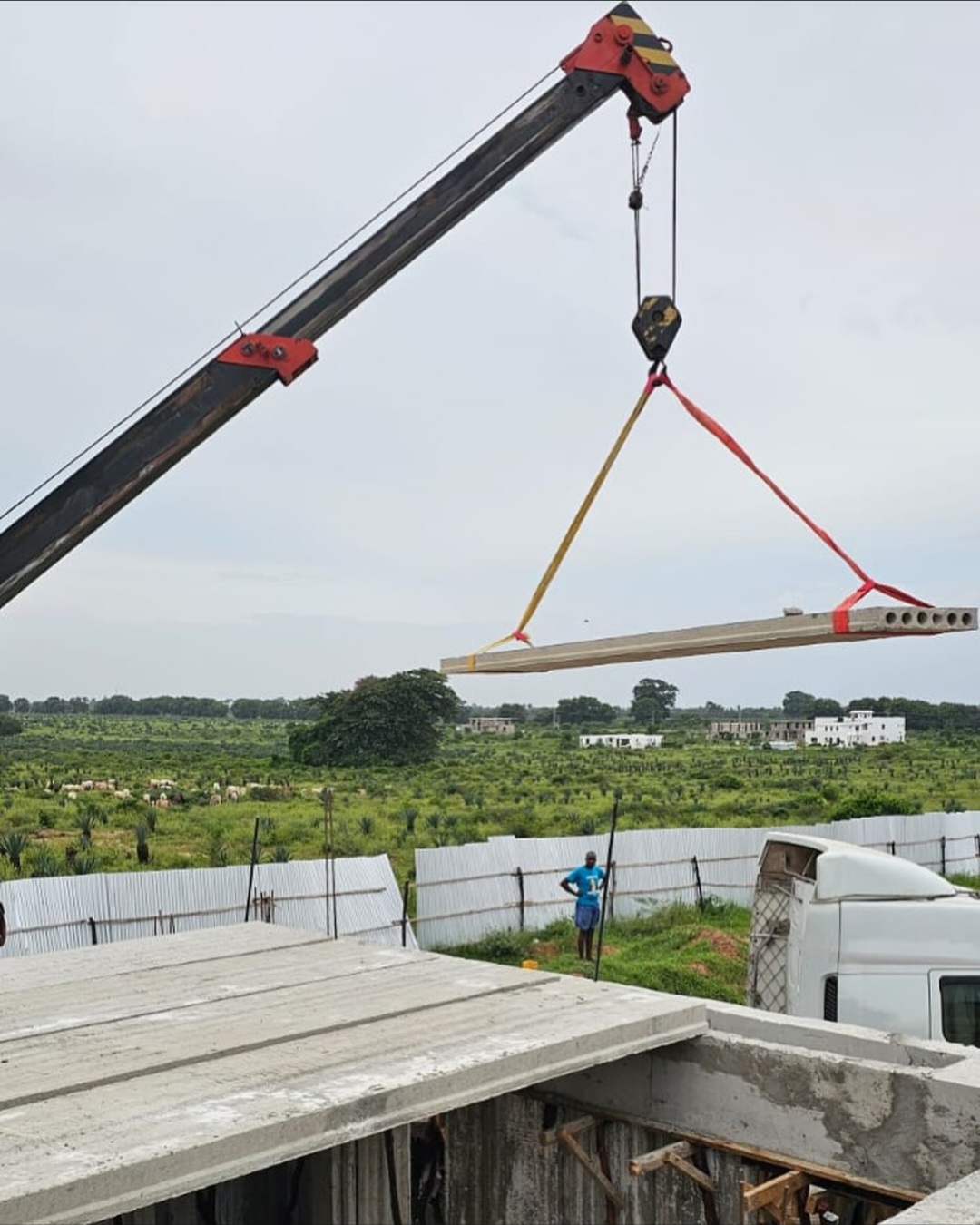
The final step is transportation of the precasts and installation. For heavier parts such as slabs, cranes are used to lift them into place. That said, precise installation from people with know-how is essential to guarantee structural integrity and alignment.
Different Types of Precast Technology Concrete Products
In construction, precast technology products are used to fulfill many purposes.
Structural components such as beams, columns, slabs, and walls are used to offer the load-bearing framework for buildings and other structures.
In architectural designs, precast concrete allows for the creation of façade panels, decorative features, and intricate designs that enhance the visual appeal of a building.
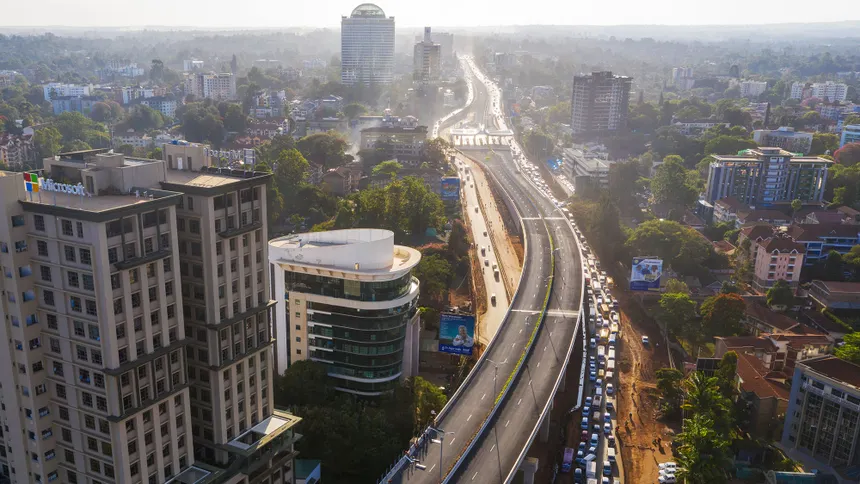
That said, precast is common when it comes to building infrastructures such as bridges, tunnels, culverts, and even suspended roads such as the Nairobi expressway here in Kenya. Thanks to the concrete’s high durability and strength, which makes it ideal for these demanding applications.
And finally, precast concrete is used for modular construction, where entire sections such as bathrooms and kitchens are prefabricated and assembled on-site, thus speeding up construction time.
Why Choose Precast Technology for Your Project?
As a project owner, you stand to gain many benefits by choosing precast to get your construction done. These include saving time. Since the parts are already premade, all that is required is transportation and assembly on-site. Thus, an average house can take from 6 to 8 weeks to complete, while it takes 3 to 5 days to fence an average-sized piece of property.
There is also less material wastage that can result from ordering in excess by Fundi’s based on rough estimates. This doesn’t only lead to material waste, but it also impacts the overall cost of the project.
And speaking of costs, use of precast components can help you, the project owner, make significant savings. You can expect to save anywhere from 20% to 40% once the project is completed compared to the use of brick and mortar. Why? No plastering, only skimming and painting; you will pay less in labor since the assembly takes a short period, and you save on transport since fewer trips are required to transport components to the site.
Another benefit of using precast walls is you get soundproofing and insulation of temperatures. This is because the walls have hollow sections that act as vacuums, making them poor in sound transfer and heat loss. This allows for room temperatures to be maintained. Additionally, these hollow sections are used to pass plumbing and electric pipes with only a small hole cut to install sockets and so on.
Also, precast walls are lighter, which helps reduce the weight of the house.
Other Benefits of Precast Concrete
Other benefits of precast include high quality and consistency of components since they are produced in a factory environment.
High strength and durability. Precast components have the ability to withstand harsh environmental conditions such as corrosion, fire, freeze-thaw cycles, and so on. This makes them ideal for construction.
Also, they are highly sustainable, as materials can be recycled to produce components, which aids with environmental sustainability.
And most importantly, there is higher worker safety, as they are produced in controlled factory settings, which pales in comparison to the hazardous conditions found in many construction sites.
Famous Use Cases of Precast Concrete
· Burj Khalifa
· Nairobi Expressway
· Golden Gate Bridge
· The Sydney Opera House
What Precast Products Do We Offer?
Currently at Fortis we produce six precast products; these include blocks, wall panels, hollow core slabs, stairs, cabros and beams. The beams come in two shapes: there are H beams used for fencing and T beams, which are combined with blocks to form beam and block technology used to build suspended foundations and slabs. While you can use hollow core slabs, they are a bit heavier and require cranes to lift them into place. This makes their installation cost higher compared to beams and blocks that can be arranged into place easily.
The wall panels are used for house walls and fences. They have a standard thickness of 90 to 100 mm and a length of 600 mm. The height can go up to 4.5M and depends on the client’s specifications. For instance, a standard house will use 2.7M long wall panels, while 3M long pieces are used for fencing.
As mentioned earlier, H beams are used to support wall panels for fences. Their standard height is 3.1M. As for T-beams, their span varies with the space where they are to be installed. The longest spans can go up to 6M. Before installation is done, beams and columns are built into place to help support them.
You can learn more about how to use precast technology for your construction project by clicking here.