

A precast slab and foundation is used as a substitute for the traditional house foundation that requires excessive excavation, backfilling, reinforcing with steel bars, and casting concrete on top. It takes less time to get done and is way cheaper. For example, a suspended foundation takes 2 to 3 days to complete, which is quite fast compared to the 7 to 21 days required to cure a normal slab. This allows for faster construction times, saving on labor costs and materials required.
Different Types of Precast Slab and Foundation
Precast slabs come in three forms: hollow core slabs, beams and blocks, and beams and panels.
Hollow Core Slabs
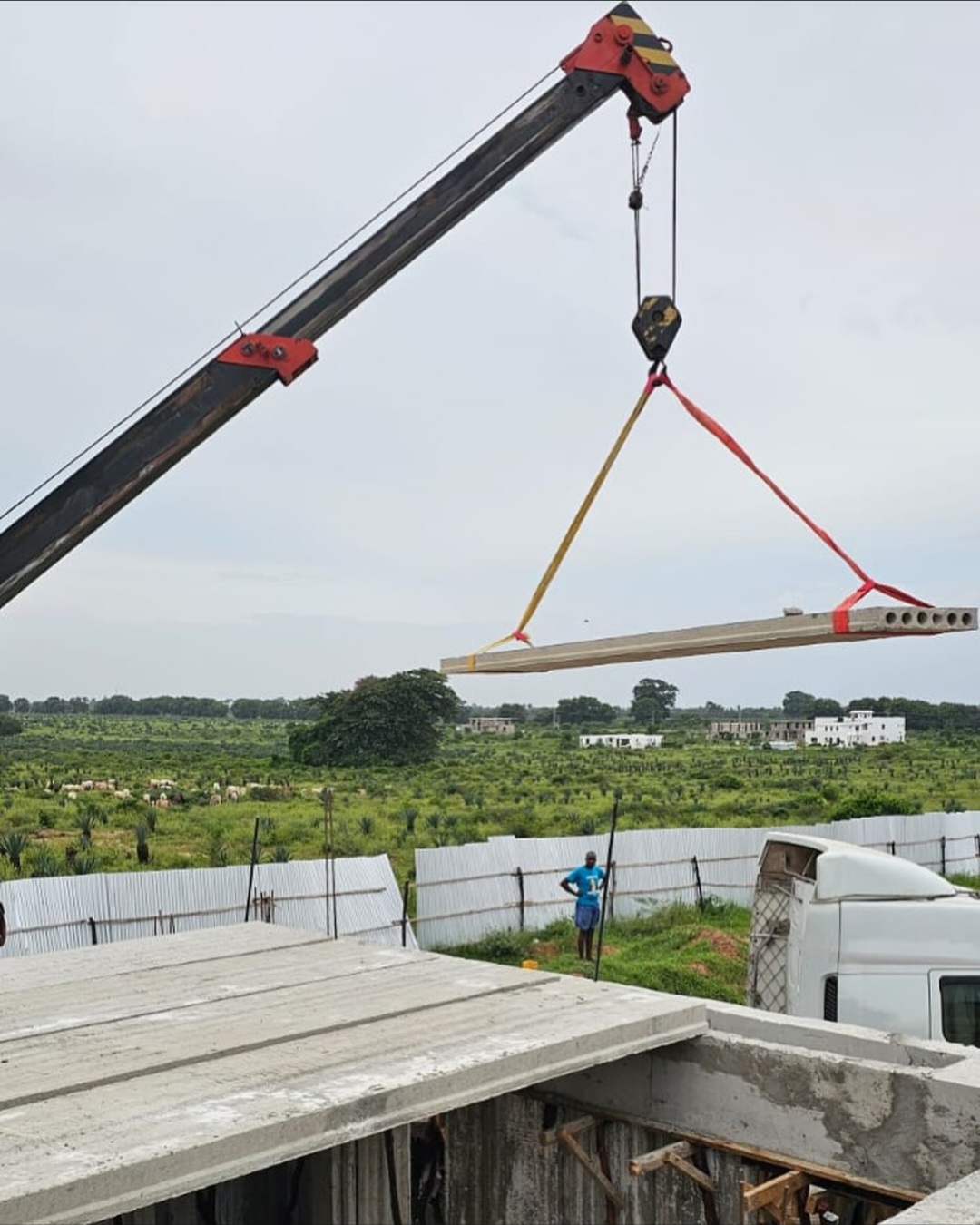
Hollow core slabs are bigger and stronger versions of the wall panels that utilize stronger steel bars for reinforcement. They are made stronger and thicker (150MM thick by 900MM wide with the longest spans running up to 6M) to ensure they fully support the weight of the house and other compressive forces the building will experience. A foundation wall with the necessary columns is built to hold the slabs into place, which are then fitted on top. Due to their heavy nature, a crane is usually used to tilt them into place. Once the fitting is done, a small screed of around 50 mm is done to complete the slab.
Beam and Block Precast Slab and Foundation
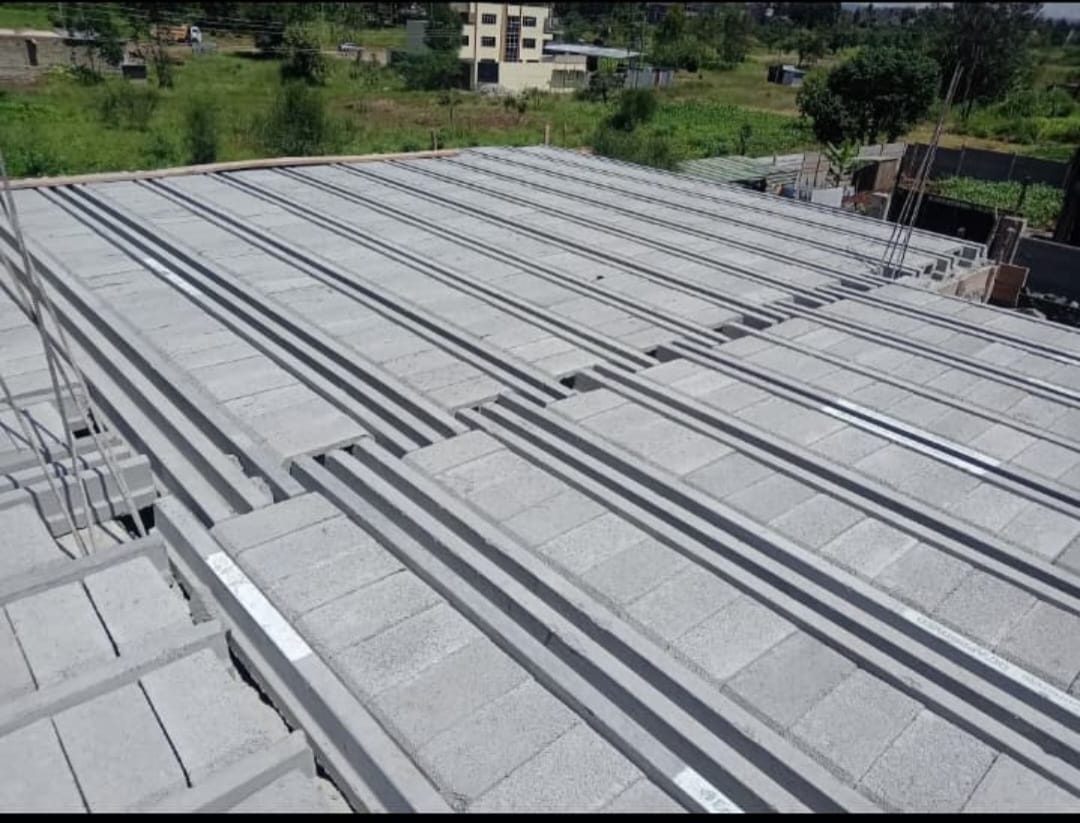
Beam and block slabs utilize precast blocks that are laid on top of T-shaped beams that hold them into place. For this kind of slab, a foundation wall with columns is built first before T-beams are laid on top of it and the blocks are fitted into place. Once done, a 50MM concrete screed mixed with Sika fiber is applied to finish the slab. The Sika is used to reinforce the slab, acting as a substitute for BRC, as it improves the compressive forces of the concrete as well as aiding with waterproofing.
Beam and Panel Slab
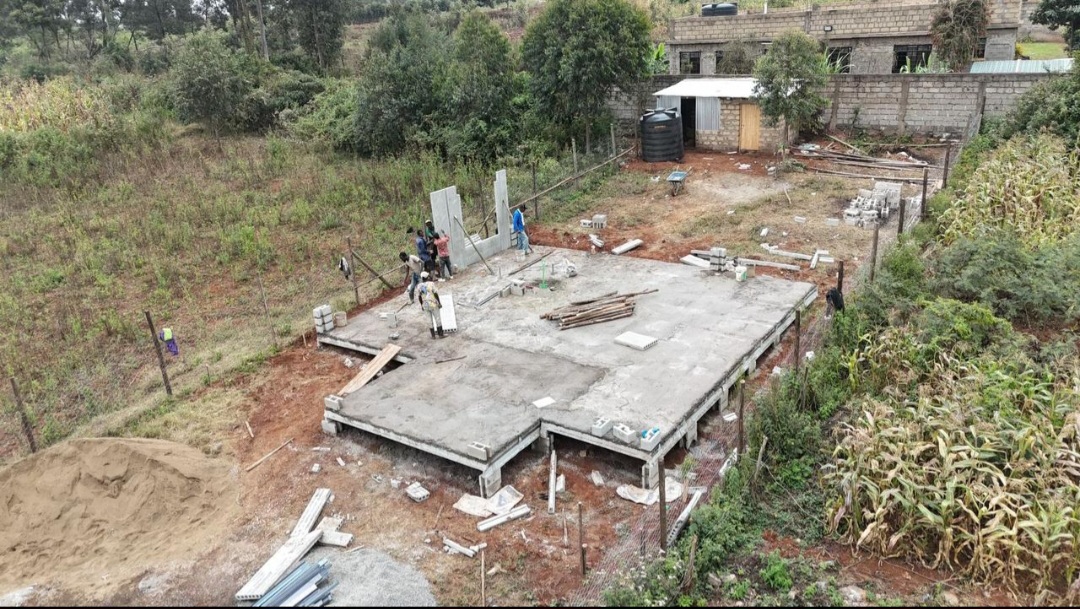
The concept of the beam and panel is the same as that of beams and blocks; however, here fewer beams are required since 1M panels are used to cover the middle part. This kind of slab is ideal for areas with black cotton soil. The slab is suspended by building columns that will hold the T-beams and slabs into place. This saves you money from having to excavate and backfill a large area. To finish off the slab, a 50MM screed is applied.
These three slabs can also be utilized for other slabs required in a high-rise building. Their cost will vary depending on which you choose to go with. However, they are all great alternatives to the traditional slab that requires (what does it require)
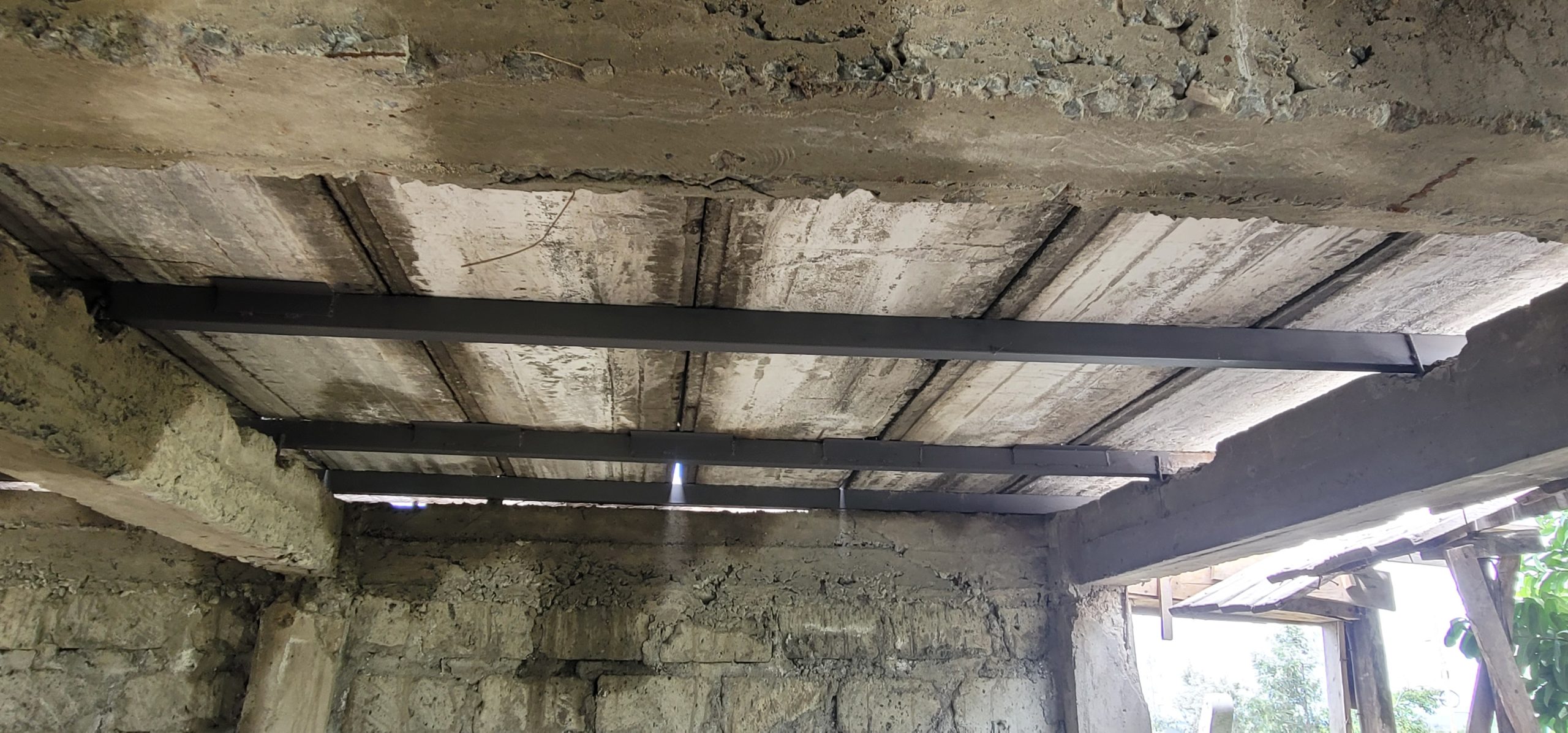
Another interesting addition to the precast slab is the steel bar beam and panel solution. Here, (what size steel bars are used) to form the support for the 1M wall panels. Once fitted into place, a 50MM screed is done to complete the slab.
Cost of Precast Slabs
When constructed properly, these slabs can save you a significant amount of money and time. For instance, consider a 100 SQM slab done the traditional way, which can cost you anywhere from Ksh 250,000 to Ksh 500,000 or more depending on the kind of soil you are constructing on. Excavation and backfilling alone on black cotton soil will set you back around Ksh 180,000 to Ksh 250,000.
On the other hand, a suspended foundation on this type of soil will set you back around Ksh 3,000 using beams and panels per square meter. While around Ksh 4,000 per SQM using beams and blocks.
You can learn more about how to use precast technology for your construction project by clicking here.