

With building technologies advancing, homeowners are on the lookout for new designs that guarantee their houses look modern. A roof plays a big role in giving a house its overall aesthetics. Below, let’s take a look at five roofing options you can opt for if you choose to build using precast wall panels.
Flat Roof Using Precast Wall Panels
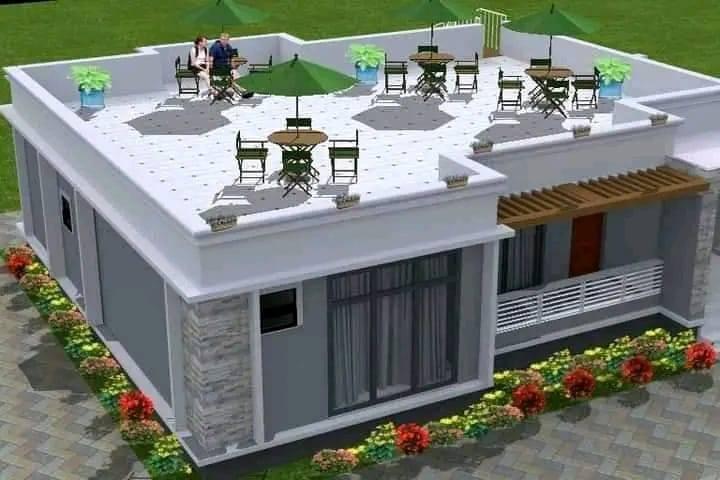
This kind of roof is gaining popularity among Kenyans due to its modern aesthetics and cost-effectiveness. The flat roof creates a usable space, which the homeowner can utilize as a lounge, build a swimming pool on, or use for any other purpose they deem fit. That said, all flat roofs are made up of slabs.
The slab can be done the traditional way or using precast technology. Given the many benefits a precast slab has to offer in terms of cost and time, many Kenyans are opting for this alternative. For instance, a precast slab is cheaper compared to installing the gable or hipped roof.
The slab utilizes either precast wall panels and beams or precast blocks and beams. Once the precast materials have been laid out, a slight screed of 50MM is applied before waterproofing is done to complete the slab.
Waterproofing options include the use of terrazzo, tiling, or membranes combined with UV-resistant protective layers. Additionally, a proper slope for drainage and regular maintenance are key for this kind of roof to serve you well in the long term.
Gable Roof
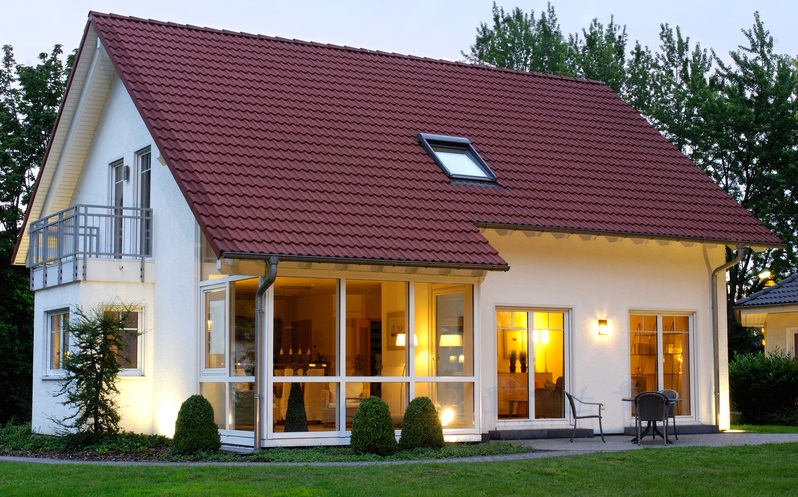
This is one of the most common roofs you will find here in Kenya. It features two sloping sides that meet at the central ridge, thus forming a triangular “gable” (A-shape) wall at each end of the roof. Gable roofs are popular for their simplicity, cost-effectiveness, and ease of installation. For instance, a quick stroll in the industrial area will reveal its popularity, with most factories utilizing it there.
On top of simplicity, gable roofs offer good water runoff and enhanced ventilation. This makes them quite popular with many Kenyans when it comes to roofing residential and commercial buildings. Their only drawback is the lack of stability during high winds compared to hipped roofs.
Hipped Roof
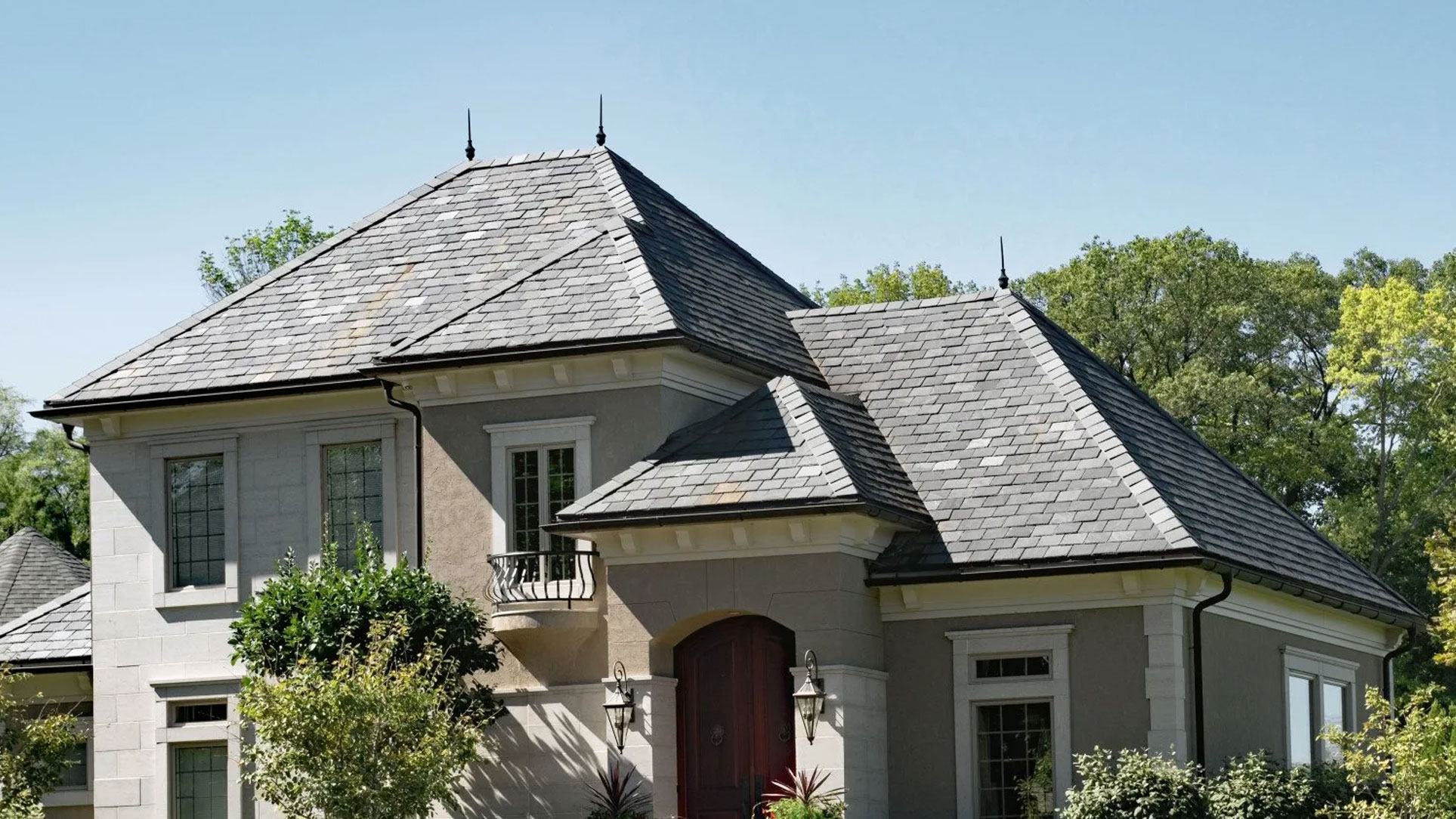
Another popular choice of roof in Kenya. A hipped roof slopes downward on all sides, forming a structure that doesn’t have a vertical gable or dormer walls. You can identify the roof easily by four slopes that feature rafters, which run from the building’s outer corners to the roof’s peak. These rafters support common rafters and jack rafters that complete the triangular or trapezoidal shapes of the roof panels.
Many Kenyans find the design of the hipped roof aesthetically pleasing due to its symmetrical appearance. Also, the roof’s popularity is boosted by its excellent stability in high winds and excellent drainage, making it quite popular among many Kenyans for roofing residential buildings in different climates.
Even though the hipped roof is more complex and expensive to build compared to the likes of gable, it offers significant advantages such as durability, structural integrity, and the ability to create attic space with dormers.
Skillion Roof
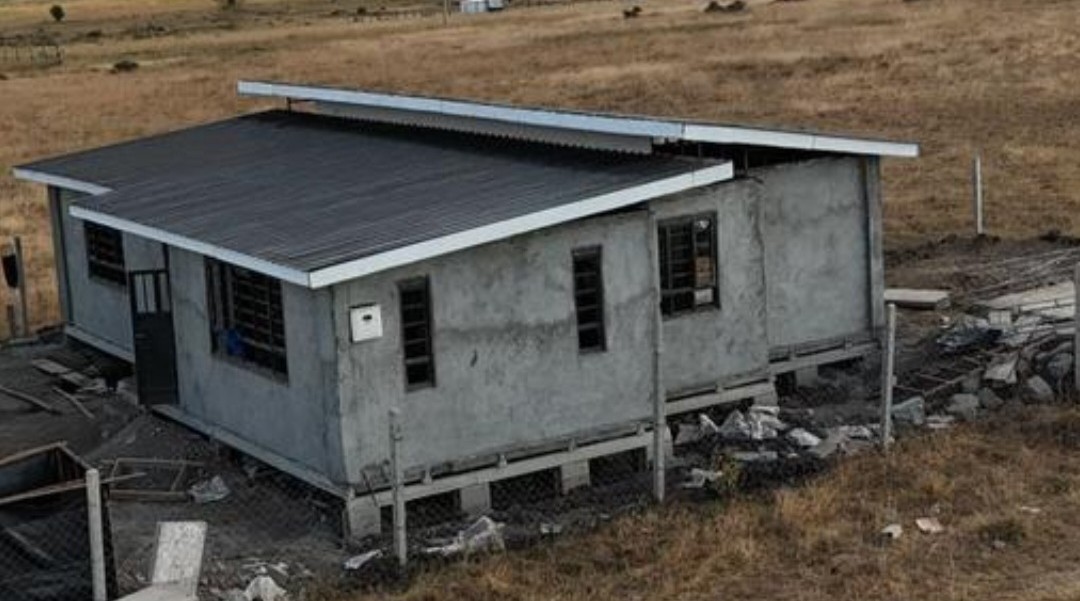
This is another popular roof being utilized by Kenyans constructing their houses using precast wall panels. It features a single-sloped flat roof surface that makes it quite distinctive from multi-pitched roofs since it has a continuous uninterrupted slope.
That said, the roof features a minimalistic design that is sleek and modern. Its aesthetics, coupled with cost efficiency and ease of installation, have seen its popularity among Kenyans building bungalows grow significantly. Another key factor attracting many to this kind of roof is its efficient water runoff.
You can consider a skillion roof for your house if you’re on a tight budget, as it features less material wastage and bears a low risk of leakage.
Butterfly/Hidden roof Using Precast Wall Panels
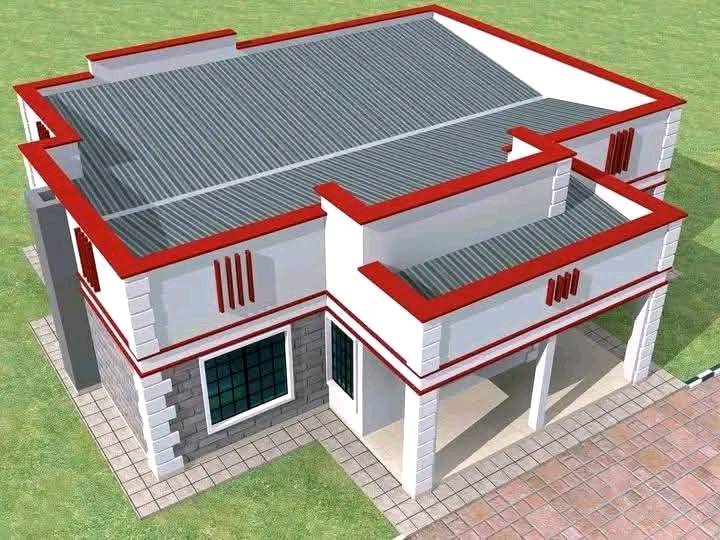
This roof features two sloping surfaces that slope downwards and inwards from opposite edges to a central low point or valley. The resulting structure resembles butterfly wings. The modern design is also known as an inverted gable roof or V-roof. Over the past few years, this kind of roof has gained popularity among bungalow owners, with parapet walls used to cover it, thus resulting in a hidden roof.
From the exterior, the design appears sleek and modern and gives the illusion of a flat roof. However, this roof bears a few more risks compared to the rest.
If you opt for the hidden roof, ensure you engage with experts, as it’s prone to leakage if not well done. Additionally, the central valley does accumulate debris like leaves and should be cleared regularly to prevent blockages and potential water damage with time.
The kind of roof one will go for will vary depending on their personal preference. However, whichever design you opt for, ensure you involve experts, as this will save you from future headaches due to poor workmanship.
You can learn more about how to use precast technology for your construction project by clicking here.